Looking back from 2020: Three Trump Presidencies-2020年的回顧:川普的三個任期-
With Donald Trump’s historic Super Tuesday wins now in the books, it is getting quite difficult to see a path to someone beating him for the Republican nomination—indeed, if he were a normal candidate who performed similarly, we might well see him as the presumptive nominee. So now it is time to startthinking seriously about what a Trump presidency would mean. Anyone who cannot imagine relatively benign outcomes simply lacks imagination. Here are three paradigmatic scenarios viewed from the end of Trump’s first term. The question for voters as they begin to weigh Mr. Trump as a general election candidate is how they view the relative probabilities of each.
因為川普歷史性的超級星期二之勝利已列入記載,在共和黨總統候選人提名的路徑上 很難見到有人會打敗他。事實上,如果他是正常的候選人,表現同樣的人,我們很有理由將他當作為預想的候選人。 所以現在是時候開始認真思考,川普選上總統將意味著什麼。凡是不能具有相當溫和想像力的任何人,只是缺乏想像力。這裡有三個典型場景從川普的第一任期結束。 選民的問題是,當他們開始權衡川普先生為大選候選人時,他們如何查看每個相對機率。
1. America made great again: Trump succeeds as figurehead and negotiator
美國又強盛起來:川普以名了與談判専家成名
As Donald Trump steamrolled his way to the Republican nomination and then the presidency, many wise men warned of the end of the republic. The truth has been less sensational but more surprising: the Donald has been a success.
Trump’s famous bark is much worse than his bite. Yes, his crudeness is excessive, and yes, his forays into racism are an unfortunate misstep in our country’s long, slow struggle for meaningful equality. But, as the man himself says, lighten up! By leading Congress to build the Great Southern Wall and sharply restrict low-skilled immigration, Trump has restored a sense of national solidarity bigger than any racial differences. Just as restricted immigration from 1920-1965 strengthened America’s sense of itself, assimilation in the 2020s and beyond will be about growing together. Cosmopolitan elites are disappointed America won’t be all things to all people, but our newfound appreciation of American greatness is good news for ordinary working class people of all races.
On domestic policy, Trump has taught America the art of the deal. He scrambled seemingly immovable partisan lines of conflict and forced seemingly unattainable compromises. Obamacare is dead, long live Trumpcare! Hardly diametric opposites, of course, but Trump’s version can adapt with support from both parties far better than its predecessor. We have an overhauled tax code, and if it doesn’t solve our long-term fiscal problems, well, Mr. Trump never claimed to be a miracle worker. Reasonably balancing the needs of business and low-income households is nothing to sneeze at. Across the administrative state, Trump has used a light touch and left the details to an able crew of pro-market economists, with fine results.
Trump’s foreign policy record has been the biggest surprise for the naysayers. He has substituted epithets for drone strikes wherever possible, and the sky hasn’t fallen. Preciselybecause other world leaders judged him crazy, our allies have done more to provide for global defense and containment of ISIS—just as Trump said they should. Trump’s swaggering engagement with Putin and others has sustained widespread peace, at least for now.
As President Trump likes to frequently remind us, “Haters gonna hate.” And our dear, unconventional leader gives his detractors plenty to pick on. But as he launches his reelection campaign, it seems hard to believe that anyone can mount a serious challenge. It’s morning in America again—a Great, Huge morning, if we’re being honest. Despite the smart set’s lingering reservations, we shouldn’t look a gift-horse’s ass in the mouth.
2. Congress made great again: Trump’s failure and the return of America’s first branch
國會又強壯起來:川普的失敗與美國首次分支機構的回復
As Donald Trump rolled to victory over what seemed to be the corpse of the old Republican Party, he promised that nothing would slow him down in his quest to remake the country: no party, no faction, no intransigent Congress of losers. As Trump’s reelection bid is overshadowed by his impeachment trial, the dominant mood is, understandably, schadenfreude. But, more importantly, the resurgence of the GOP and of America’s Congress as forces to be reckoned with should inspire a renewed appreciation for the genius of America’s Constitution, which has proven far stronger than even Trump’s braggadocio.
From his Inauguration Day onward, Trump’s willingness to flout the limits on executive power proved too brazen for even the notoriously divided Congress to ignore. Whereas Presidents Bush and Obama at least offered fig leafs for their executive power grabs, Trump thought that his unconventional base of support put him above all that.
The First Branch begged to differ. Partisan differences took a back seat to institutional prerogatives—and, wonder of wonders, Congress rediscovered its spine, passing a bevy of laws over Trump’s vetoes and thereby diminishing his ability to dictate the agenda. Members of both houses made it clear they were ready to meet unlawful actions with impeachment, and we will soon see whether they make good on that threat. Whatever the result, Trump is now a wounded animal.
Historians will rightly rank Trump among the worst of America’s presidents, alongside Andrew Johnson and John Tyler—the only previous incumbent to try and fail to win his party’s nomination, who will soon be glad for Trump’s company. But as we look ahead to the 2020s, it is hard to avoid feeling that he has done America a great service by unjamming a stagnant government and providing an object lesson in the dangers of our past trajectory. Congress is great again, and that will last well beyond the failed reign of King Donald.
3. Just sad: How Trump exploited American democracy’s weaknesses
亦即:川普如何佔盡美國民主政治弱點之便宜
Summer 2015 was an innocent time: many of us were outraged that media would give Donald Trump the time of day, so obvious was it that he was beneath even the degraded dignity of American politics. Now we know: if it screeds, it leads, and not only in irrelevant TV ratings. The country was hypnotized by Trump’s showmanship, and he has been the ringmaster of American politics ever since. Nobody has yet discovered a way to dislodge him.
During the Trump years, most of us have learned H.L. Mencken’s definition of democracy by heart: “Democracy is the theory that the common people know what they want, and deserve to get it good and hard.” The humor has drained away as “the common people” turn their anger toward a growing list of scapegoats when things go wrong. We all get it now, in both senses.
Over and over again, Trump has proved capable of wielding his unconventional base of support to run over institutional barriers we previously thought sacrosanct. He has brought the trend of executive branch consolidation of power, which was clearly present during his predecessors’ terms, to its logical end, and few of history’s absolute monarchs could hold a candle to the power he now wields. Even as he has performed this evisceration of our constitutional structure, he has continued to nostalgically sing the praises of America’s founders. Anybody who expected that he’d eventually have to start making sense to retain his support has been sorely disappointed.
As Trump goads his supporters on in their occasional bursts of hatred and even violence, the Founders’ fears that unmediated democracy would turn into mob rule ring in our ears. Any day now, our right to criticize the government may become just another parchment barrier to fall in the wake of Trump’s overgrown FBI or his legions of unhinged supporters. Four years on, it isn’t too late for America to wake up from this nightmare and return to its constitutional roots, but it’s getting harder and harder to imagine how to do it.
Philip Wallach is a senior fellow in Governance Studies. He writes on a wide variety of domestic policy topics, including climate change, regulatory reform, the debt ceiling, and marijuana legalization.
0912/2016


 很多人以為藝伎就是操皮肉生涯的,但事實上,從明治時期到今天,日本藝伎有嚴格行規:只賣藝不賣身(兩情相悅願意赴約的除外)。
不過,要想成為藝妓非常難。女孩10歲左右就得進藝妓館嚴格訓練,學習琴棋書畫、茶道花道、談吐裝扮,最終成為一個舉止優雅、多才多藝的合格藝妓(geisha)。
很多人以為藝伎就是操皮肉生涯的,但事實上,從明治時期到今天,日本藝伎有嚴格行規:只賣藝不賣身(兩情相悅願意赴約的除外)。
不過,要想成為藝妓非常難。女孩10歲左右就得進藝妓館嚴格訓練,學習琴棋書畫、茶道花道、談吐裝扮,最終成為一個舉止優雅、多才多藝的合格藝妓(geisha)。
 當時的日本,很多家庭視女兒能當上藝妓為榮。
亮子因為貌美,很快被稱為新橋數一數二的美貌花魁。不過,雖然置身花柳界,亮子的品行似乎很好,外界一度對她有“討厭男人”的評價。
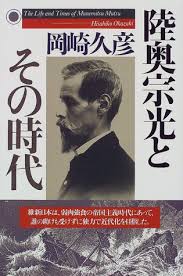
明治5年,亮子遇到了陸奧宗光後,兩人一見鍾情。這人在日本近代史上是個大人物,是明治維新時期著名的政治家、外交家。當時陸奧宗光的前妻已經病死,亮子便成為他的第二任妻子。
當時的日本,很多家庭視女兒能當上藝妓為榮。
亮子因為貌美,很快被稱為新橋數一數二的美貌花魁。不過,雖然置身花柳界,亮子的品行似乎很好,外界一度對她有“討厭男人”的評價。
明治5年,亮子遇到了陸奧宗光後,兩人一見鍾情。這人在日本近代史上是個大人物,是明治維新時期著名的政治家、外交家。當時陸奧宗光的前妻已經病死,亮子便成為他的第二任妻子。
 圖: 陸奧宗光和亮子、前妻生下的長子合影
二、
“小鈴”變成了陸奧亮子後,因為其出眾的容貌氣質,很快被外交官丈夫搞起了“夫人外交。”
當時的江戶(東京),有個著名的社交場所,叫“鹿鳴館”。
圖: 陸奧宗光和亮子、前妻生下的長子合影
二、
“小鈴”變成了陸奧亮子後,因為其出眾的容貌氣質,很快被外交官丈夫搞起了“夫人外交。”
當時的江戶(東京),有個著名的社交場所,叫“鹿鳴館”。
 圖:根據三島由紀夫小說改編的日本電影《鹿鳴館》,女主的原型就是亮子
鹿鳴館建成於明治16年,是由英國建築師設計建造的一座西式二層洋樓,耗資巨大。說來日本人不見外,鹿鳴館的名稱出自《詩經·小雅》中的“鹿鳴”篇,取其“鹿鳴,燕群臣嘉賓也”之義而命名,意思是迎賓會客的場所。
圖:根據三島由紀夫小說改編的日本電影《鹿鳴館》,女主的原型就是亮子
鹿鳴館建成於明治16年,是由英國建築師設計建造的一座西式二層洋樓,耗資巨大。說來日本人不見外,鹿鳴館的名稱出自《詩經·小雅》中的“鹿鳴”篇,取其“鹿鳴,燕群臣嘉賓也”之義而命名,意思是迎賓會客的場所。


 圖:浮世繪中的鹿鳴館舞會
 圖:陸奧亮子洋服寫真
憑藉秀麗的容貌,和藝妓時代打下的良好社交功底,陸奧亮子儀態優雅落落大方,贏得了社交圈的一致青睞,被時人譽為“鹿鳴館之花”,堪稱那個時代的第一名媛。
此後,陸奧亮子陪同丈夫出行美國華盛頓時,也被美國人讚譽有加,被稱作“華府社交之花”。
圖:陸奧亮子洋服寫真
憑藉秀麗的容貌,和藝妓時代打下的良好社交功底,陸奧亮子儀態優雅落落大方,贏得了社交圈的一致青睞,被時人譽為“鹿鳴館之花”,堪稱那個時代的第一名媛。
此後,陸奧亮子陪同丈夫出行美國華盛頓時,也被美國人讚譽有加,被稱作“華府社交之花”。


